When a Stranger Dies and You Fall Apart: The Strange, Real Grief of Losing Someone You Never Met
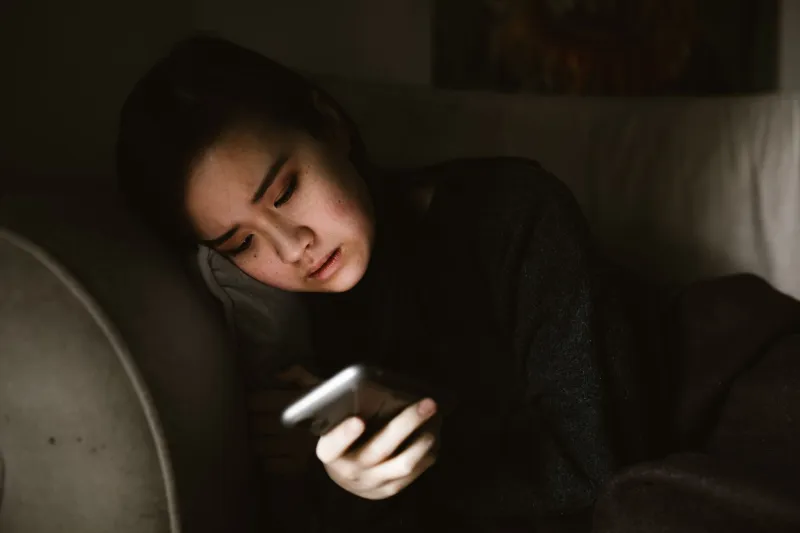
Let's just say the quiet part out loud: a lot of us have mourned a celebrity harder than we've mourned someone we actually knew.
Maybe it was the night the news broke about Chadwick Boseman. Or when Kobe went down in that fog over Calabasas. Or when a beloved musician quietly announced they were stepping away from everything after a scandal, and you sat in your car in a parking lot for twenty minutes staring at your phone like someone had just told you terrible news about a close friend.
Because that's exactly what it felt like. Even if you've never been in the same zip code as this person. Even if they would not recognize your face in a lineup.
This is the parasocial breakup — and it hits different when the internet is involved.
What Even Is a Parasocial Relationship?
The term has been floating around psychology circles since the 1950s, when researchers Donald Horton and Richard Wohl first described the one-sided emotional bonds people form with media figures. They were talking about TV personalities back then — the friendly news anchor you felt like you knew, the talk show host who made your mornings feel less lonely.
But social media didn't just amplify that dynamic. It fundamentally rewired it.
Now, the celebrity you follow doesn't just appear on a screen for an hour a week. They're in your pocket. They're posting their breakfast. They're crying on camera about their anxiety. They're replying to fans in real time, tagging their location, sharing their therapy breakthroughs and their relationship drama and their 3 a.m. spirals. The intimacy feels earned because you've been there for all of it — scrolling, watching, responding, caring.
You've logged more hours with this person than you have with most of your coworkers. Your brain doesn't really distinguish between that and a real relationship. Why would it?
The Entitlement Problem Nobody Wants to Talk About
Here's where it gets complicated. Because the same psychological mechanism that makes celebrity grief feel real can also curdle into something uglier — a sense of ownership over public figures that they never agreed to.
When a musician changes their sound, fans feel betrayed. When an actor comes out, certain corners of the internet react like a personal promise was broken. When a creator steps back from posting for their mental health, the comment sections fill with people who feel abandoned.
That entitlement isn't always malicious. Most of the time it comes from a genuinely tender place — from people who poured real emotional energy into someone who, from their perspective, was a constant, comforting presence. The parasocial relationship felt mutual even though it structurally couldn't be.
Social media platforms have a vested interest in keeping that illusion alive. The more real the connection feels, the more time you spend on the app. The more time you spend on the app, the more money they make. The architecture of intimacy is also the architecture of engagement — and sometimes it's hard to tell where one ends and the other begins.
So Is This Grief Legitimate?
Short answer: yes. Complicated answer: also yes, but.
Grief researchers have started paying serious attention to what happens when public figures die or disappear from our feeds. The emotional response — the shock, the denial, the bargaining, the deep and irrational sadness — maps almost perfectly onto what we experience after losing someone we knew personally. Your nervous system isn't running a background check on whether the relationship was technically mutual before it decides to feel loss.
And in a country where loneliness has reached what the Surgeon General called epidemic proportions, it's worth asking whether parasocial connections are filling a genuine void. For a lot of people — especially younger Americans who've grown up more digitally connected and more socially isolated than any previous generation — a beloved creator or celebrity might genuinely be the most consistent emotional presence in their daily life.
That's not pathetic. That's a symptom of something much bigger.
The "but" is this: when the grief over a stranger consistently outweighs the grief over people in your actual life, or when it becomes a way to avoid the messier, riskier work of real human intimacy, that's worth sitting with. Parasocial relationships are emotionally safe in a way that real ones aren't. Nobody's favorite podcaster is going to disappoint them at Thanksgiving dinner. Your favorite athlete can't cancel plans on you. The relationship only asks you to receive, never to give.
That asymmetry can be a relief — or it can become a trap.
The Controversy Breakup Hits Different
Death is one thing. But there's another kind of parasocial loss that doesn't get talked about enough: what happens when your parasocial relationship ends not in grief but in betrayal.
When a creator you loved for years gets exposed for something awful, the community fallout looks a lot like a mass breakup. People aren't just disappointed in someone they admired — they're processing a rupture in their own sense of identity. If you built a part of your personality around this person's music, their worldview, their aesthetic, their community — what happens to all of that now?
The parasocial breakup is uniquely brutal because there's no closure. You can't call them. You can't have the conversation. You just have to sit with the cognitive dissonance of loving something that no longer feels safe to love, while the internet around you argues about whether you're allowed to feel sad about it or whether you should have known better.
What We're Really Mourning
Maybe the most honest thing to say is this: when we grieve a celebrity, we're often grieving something that was always partially ours to begin with.
We're mourning the version of ourselves that discovered their work at a specific moment in our lives. We're mourning the comfort of a familiar voice on a hard day. We're mourning the community that formed around shared admiration, the feeling of belonging to something larger than our immediate circumstances.
That's real. That deserves acknowledgment, not mockery.
But it also deserves honesty. The parasocial age has given us access to more connection than any generation in human history — and somehow many of us have never felt more alone. Maybe the question isn't whether it's okay to grieve strangers. Maybe the question is what we're building our emotional lives on, and whether the foundation is as solid as it feels when we're scrolling at midnight, convinced that someone we've never met really, truly understands us.
They might. They also might have no idea you're alive.
Both things are true. And somehow, that's the most human part of all of it.